Rose Pink Font for Handmade Creations
It was a quiet afternoon in my studio, the kind where sunlight spills through the windows and dust motes dance in the air. I had just opened a new font pack from Script Amp and was eager to see what it could bring to my latest project—a set of candle labels for a seasonal line of soy candles. As I clicked on the Rose Pink font, I knew instantly that this was the one. It felt like finding the perfect ribbon for a gift box—sweet, soft, and just right.
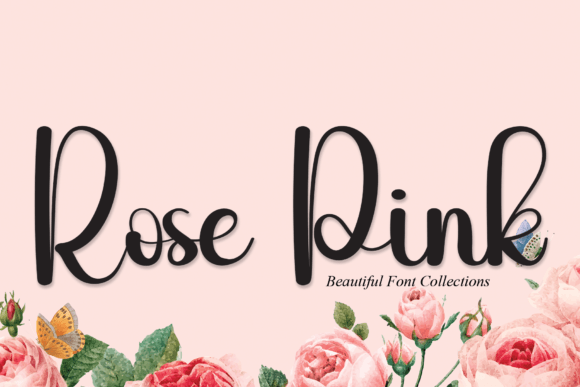
Rose Pink is a handwritten font with a personality all its own. It’s sweet, friendly, and has that warm, inviting charm that makes you want to lean in and read every word. The curves are gentle, the letters feel like they were penned with care, and the overall look is both modern and nostalgic. It’s the kind of font that feels like a whisper of springtime, with a hint of lavender in the air.
Bringing Rose Pink to Life on Labels and Packaging
I started by designing a few label mockups for my candles. I used Rose Pink for the names of the scents—“Lavender Fields,” “Vanilla Bean,” and “Citrus Grove.” The font wrapped around the circular labels beautifully, adding a touch of elegance without overpowering the design. I also tested it on small stickers for the candle jars, making sure the letters stayed legible even when printed at a smaller size. The results were stunning. The font didn’t feel too delicate or too bold—it found the perfect balance.
For packaging, I paired Rose Pink with a clean sans serif font for the product descriptions. This contrast helped the handwritten feel of Rose Pink stand out while keeping the text easy to read. I noticed how much more appealing the packaging looked compared to using a standard font. It added a sense of craftsmanship and attention to detail that customers could see and appreciate.
Using Rose Pink for Greeting Cards and Invitations
Rose Pink also became a favorite for my greeting card designs. I created a set of birthday cards with phrases like “You’re the Best” and “Happy Birthday, Love.” The font made each card feel personal and heartfelt, as if the words were written just for the recipient. For wedding invitations, I used Rose Pink for the main titles and paired it with a simple serif font for the details. The result was elegant and romantic, perfect for a special occasion.
I even tried it on a few digital printables, like printable wall art and planner pages. The font worked well for decorative wording and headings, adding a soft, whimsical touch to the designs. It was especially effective on quotes and motivational phrases, giving them a warm, handcrafted feel.
Designing with Rose Pink: Tips and Tricks
When working with Rose Pink, I found that it’s best suited for short phrases, names, titles, and decorative wording. It’s not ideal for long paragraphs, but that’s okay—its charm lies in being a display font rather than a body text font. I often use it for headings, logos, and brand elements where visual appeal matters most.
For physical products like stickers, labels, and printed cards, I made sure to test the font at different sizes and distances. I wanted to ensure that it remained readable even when printed on small surfaces. I also checked the file formats included with the font, making sure I had access to SVG and PNG files for my digital downloads and Cricut/Silhouette projects.
Font pairing was another important step. I experimented with different combinations, such as pairing Rose Pink with a clean sans serif font for a modern look or a classic serif font for a more traditional feel. Each combination brought out a different aspect of the font’s character, helping me create a variety of designs that felt cohesive and intentional.
Creating Seasonal and Shop Branding with Rose Pink
As the seasons changed, I used Rose Pink to create holiday tags and seasonal signs for my shop. For Christmas, I designed tags with phrases like “Merry Christmas” and “Season’s Greetings.” For spring, I created farmhouse-style signs with sayings like “Bloom Where You’re Planted.” The font fit perfectly with the themes of each season, adding a soft, approachable feel to the designs.
I also incorporated Rose Pink into my shop branding. From my logo to my social media graphics, the font helped establish a consistent and recognizable style. Customers began to associate the font with my brand, which made my products feel more personal and authentic.
Before selling any physical products, templates, or digital downloads that use Rose Pink, I always make sure to check the licensing information. It’s important to confirm that the font is suitable for commercial use and that I have the right to include it in my designs. I also review the available styles, alternates, ligatures, and swashes to ensure that I’m getting the most out of the font for my creative projects.
Rose Pink has become an essential part of my creative toolkit. Whether I’m designing labels, cards, or digital printables, it brings a unique charm and warmth to every project. Its versatility, readability, and emotional appeal make it a go-to choice for any handmade seller looking to add a personal touch to their work.